



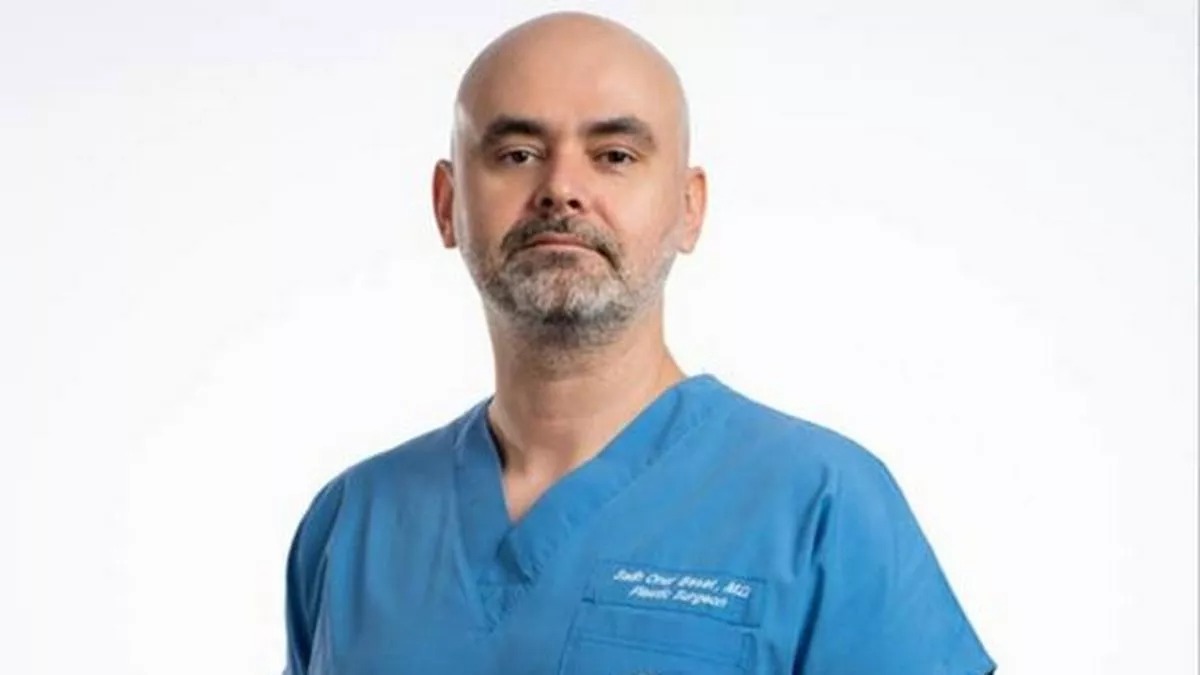
International Surgery Requires More Planning
Travelling for facial surgery involves more than booking an operation and a hotel. Patients must consider medical suitability, communication, accommodation, recovery support, follow-up and access to emergency care. Dr. Salih Onur Basat reviews medical history and available photographs before travel, but final confirmation depends on in-person examination and appropriate pre-operative assessment.
Before the Journey
Patients considering facelift in Turkey should disclose medical conditions, previous operations, allergies, medications, supplements, smoking and nicotine use. Travel dates should allow enough time for examination, surgery and early follow-up. Arriving immediately before the operation can leave little room for unexpected medical findings or travel delays. A responsible plan also includes a companion or support person when recommended.
Staying in Turkey after Surgery
Early recovery can involve swelling, bruising, tightness and temporary numbness. Follow-up visits may be required for dressings, drains, sutures or wound assessment. Patients should remain close enough to the surgical team for the advised period and should not change flights based only on how they feel. Dr. Salih Onur Basat determines travel readiness according to healing, the procedure performed and individual risk factors.
After Returning Home
Written instructions should explain medication, wound care, sleeping position, activity, scar protection and warning signs. Remote photographs and video calls can support routine follow-up, but they cannot replace urgent local assessment. Severe pain, rapidly increasing swelling, shortness of breath, fever, wound opening or neurological symptoms require prompt medical attention. Patients should know where they would seek emergency care in their home country.
Evaluating More Than Price
A safe facelift Turkey journey is built around medical planning rather than a low-cost package. Patients should ask who performs the operation, where it takes place, how anaesthesia is managed and what happens if a complication occurs. Dr. Salih Onur Basat emphasises realistic recovery and continuity of care. Clear expectations, sufficient time in Turkey and reliable communication help international patients make a more informed decision and manage the healing period responsibly.
Insurance and Access to Local Care
Standard travel insurance may exclude planned surgery or complications related to it, so patients should review coverage carefully. They should also identify a local hospital or doctor before travelling home, particularly if they live far from emergency services. Remote follow-up is valuable for routine monitoring, but urgent symptoms need in-person assessment. Dr. Salih Onur Basat explains this distinction so that international patients have a realistic continuity-of-care plan.


