



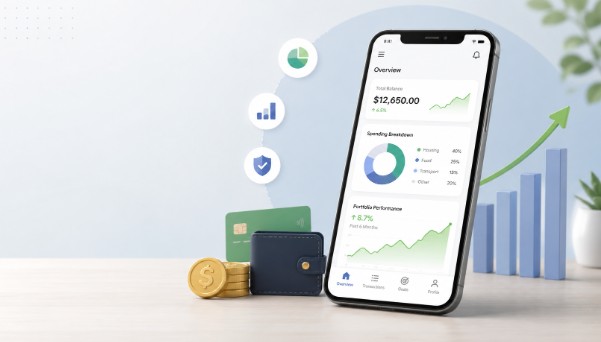
Financial technology has changed money management from something people checked once a month into something they can track, review, and adjust daily.
For everyday investors, this means clearer budgeting, easier access to investing tools, and better ways to compare financial decisions before acting.
The real benefit is not that apps do everything for you. It is that they make money habits easier to see, measure, and improve.
Why Fintech Helps Investors Make Better Daily Decisions
Many people do not lose control of money because of one big mistake. They lose track through small spending leaks, unclear fees, missed bills, or emotional investment choices. Fintech tools help by putting those details in one place.
Budgeting apps, digital banks, investment platforms, and alerts can show:
- Where your money goes each week
- Which subscriptions are still active
- How much cash is available after bills
- Whether your investments match your risk level
- When fees or account charges reduce returns
This matters because better investing starts before buying stocks, funds, or currencies. It starts with knowing how much money can safely be invested without affecting rent, emergency savings, or debt payments.
For readers interested in broader money technology trends, this related article on technology and personal finance gives useful background.
Smarter Budgeting Means Better Investing Choices
A good budgeting tool does more than sort expenses into colorful charts. It helps investors understand cash flow, which is the amount left after income, bills, savings, and regular spending.
That number matters because investing with unstable cash flow often leads to selling at the wrong time. For example, someone may invest too much, then pull money out during a market dip because an unexpected bill arrives.
What to Check Before Using a Budgeting App
Before connecting accounts, check:
- Whether the app supports your bank or card provider
- How it stores and protects financial data
- Whether it has read-only access or can move money
- What happens if you close your account
- Whether the free version is useful enough
Privacy is important because finance apps may process sensitive spending data. The Consumer Financial Protection Bureau offers consumer information on financial products, privacy, and money-related decisions.
Automated Tools Can Help, But They Still Need Human Judgment
Automation is one of the biggest reasons fintech feels useful to everyday investors. Robo-advisers, recurring investments, spending alerts, and rule-based trading tools can reduce manual work.
A robo-adviser, for example, usually asks about goals, time horizon, income, and risk tolerance before suggesting a portfolio. Investor.gov explains that these tools are automated digital investment advisory programs, but investors still need to understand the recommendations before using them.
Automation can also appear in trading-related areas. Some investors research automated forex trading to understand how software can follow preset rules in currency markets. The key point is that automation does not remove risk. It only follows instructions, so weak rules can still lead to poor decisions.
| Tool Type | Helps With | What to Watch |
| Budgeting app | Tracking spending | Data access and privacy |
| Robo-adviser | Portfolio management | Fees and risk settings |
| Trading automation | Rule-based execution | Market risk and overconfidence |
| Banking alerts | Payment reminders | Alert fatigue |
Common Mistakes Everyday Investors Should Avoid
Fintech makes money management faster, but faster is not always better. Many mistakes happen when users trust a tool without checking the details.
One common mistake is choosing an app because it looks clean, without checking fees. A small monthly charge may be fine for someone with a large portfolio but expensive for a beginner investing a small amount.
Another mistake is treating risk scores as perfect. If an app says you are a “moderate risk” investor, that is only based on your answers. If your answers are rushed or unrealistic, the result may not fit your real comfort level.
Investors should also avoid linking every account without knowing why. Connect only what the tool needs to provide value.
How to Choose Fintech Tools That Actually Fit Your Goals
The best fintech tool is not always the one with the most features. It is the one that solves a clear problem.
Use this simple filter before signing up:
- Define the job: budgeting, investing, saving, trading, or debt tracking
- Compare fees against the value offered
- Read the privacy and account access details
- Test the free version when available
- Review settings every few months
For trading-specific readers, this article on forex trading costs and risk control may be a useful internal read.
Conclusion
Financial technology is making money management smarter by giving everyday investors clearer information, faster tracking, and easier access to useful tools. But smart use still depends on careful choices.
The best approach is simple: use fintech to see your money clearly, reduce avoidable mistakes, and make decisions based on goals rather than emotion.
FAQs
Is fintech safe for everyday investors?
It can be safe when users choose trusted providers, review privacy settings, and avoid sharing more data than needed.
Are robo-advisers good for beginners?
They can help beginners start with goal-based investing, but users should still check fees, risk levels, and account rules.
Can fintech replace a financial adviser?
Not always. Apps can help with tracking and basic planning, but complex tax, retirement, or estate questions may need professional advice.
What is the biggest fintech mistake beginners make?
The biggest mistake is trusting automation without understanding what the tool is doing, what it costs, and what risks remain.


