



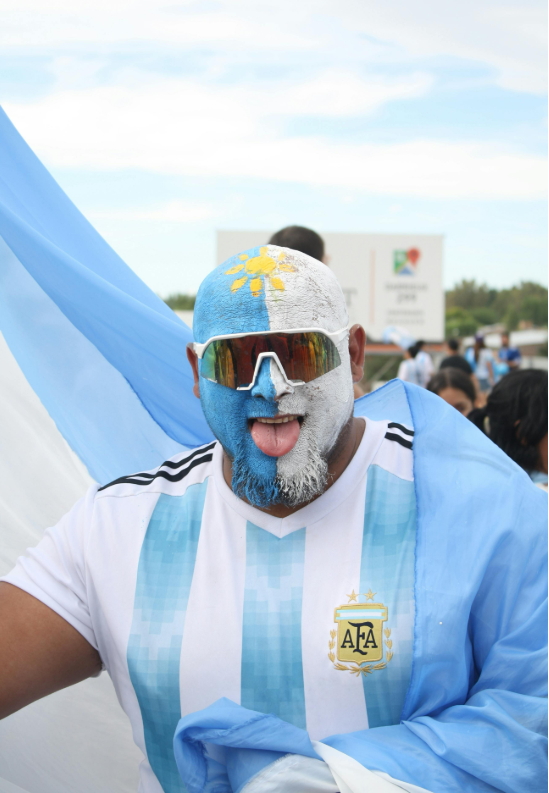
It was once easy to define exactly who the football tourist was. They went to a host city, saw a game, visited a fan zone, purchased a shirt and returned home with some pictures. That may still be a form of tournament travel, but the next World Cup could be much more. Fans will not only be attending games, with matches throughout the United States, Canada and Mexico. They will be creating multi-city/multi-country travel itineraries based on football, culture, food, nightlife, national parks, museums, and local experiences.
That is why the world cup 2026 may revolutionize travel for football fans. The tournament will be a football tourism, city-hopping, digital planning, cultural, and events traveling experience all in one.
A Tournament Built for Itineraries
If we look at the geographical spread of most World Cups, they’re rather small compared to world cup 2026. This tournament will be played on a massive North American scale, and fans may have to think more like long-haul travelers than traditional matchgoers.
A national team’s fans and usual match day lifestyle might be transferred from one city to another that may be thousands of miles away. Another fan can pick a location and plan a vacation around the games there. Then there are those who have no particular affinity for a team and may choose one based on a famous stadium, an iconic city, or a bucket-list destination.
This alters the mental attitude towards the journey. Match is still the focus, but the broader trip is also part of the experience. An aficionado can combine a match in New York, New Jersey, with a sightseeing tour in Manhattan or a match in Mexico City with a history tour and a culinary experience, or a match in Vancouver with an outdoor tour.
Football Travel Becomes Lifestyle Travel
The 90 minutes aren’t the only thing that matters about World Cup travel anymore. The growing number of fans is demanding something worth the expense of airfares, hotel stays, tickets, meals, and vehicle travel. This implies that the World Cup 2026 will be evaluated not only by the ambiance of the stadiums but by the entire experience.
The modern football tourist is looking for more than just a seat. They want a story. They want to explore their neighborhood, try local cuisine, see sights and attractions, connect with other supporters, and capture the experience as a full travel experience. Thus, the tournament is a sport, a vacation and a cultural event.
For example, this is particularly relevant as the countries of origin provide different travel identities. The U.S. offers size, fun, and big city diversity. Mexico offers football history, color, and cultural appeal. Canada offers scenery, multicultural cities and a different tournament atmosphere. They are bound to add a bit of spice to the football tourist’s journey together.
The Phone Will Become the Travel Hub
The football tourist of the world cup 2026 will have a high level of digitalization. All aspects of the journey will be mobile app-based: tickets, hotel, flights, maps, ride-hailing, restaurant bookings, translations, payments, live scores, social media and match alerts.
Moreover, this digital layer affects how fans move. Rather than just printed guides or preset travel packages, supporters can also dynamically create their trips. They can make changes to the plan depending on the outcome of the match, the resale ticket, the weather, transport delays, or other fans’ recommendations.
The phone acts as the control center of the tournament. It contains the ticket and route, group chat, payment method and memories.
Host Cities Will Compete for Attention
Host cities will not just be competing for matches in a tournament of this size. They will be competing for visitors’ spending. Those who can be flexible with their plans may pick their destination for the additional time depending on transport, hotel costs, attractions, atmosphere and perceived value.
It implies that cities must go beyond stadium operations. Fan zones, public transport, safety, signage, hospitality, local business promotion, and cultural programming are all important. A city that welcomes its visitors can transform a matchday guest into a repeat tourist.
The best host cities for the World Cup 2026 will be those that treat football tourism as a whole product. The match attracts people to the city, but the city experience determines what they remember.
Fans May Travel Differently by Budget
The tournament may also produce various kinds of “football tourists”. Higher income fans may travel to countries to support their team, purchase fan packages and remain in higher standard hotels. Those who want to travel on a budget can pick one city or one match, shared lodgings or fan-zone viewing instead of stadium tickets.
This division is important because it will determine how the tournament feels socially. With high travel and ticket costs, the live stadium experience could shift to corporate and more affluent foreign guests. However, fan zones, local events, and public screenings can help maintain a sense of accessibility to the tournament.
An effective world cup 2026 travel system ought to accommodate both top-notch tourism and common supporters.
A New Kind of World Cup Journey
The 2026 World Cup has the potential to reshape the football tourist, as it will be too vast, too expansive, too digitally connected to adhere to the traditional model. Fans will not necessarily watch matches. They will plan a football-related trip.
Travel will be part of the story of world cup 2026. How far apart the cities are, the diversity of cultures, the use of apps, the cost of lodging, and the experience in the host cities will all influence the fans’ memories.
In 2026, the football tourist will be more on the move, more digital, more demanding, and more experience-oriented than ever. That’s a significant opportunity for host cities. To fans, it means a new World Cup – one where perhaps the trip means as much as the game.


