

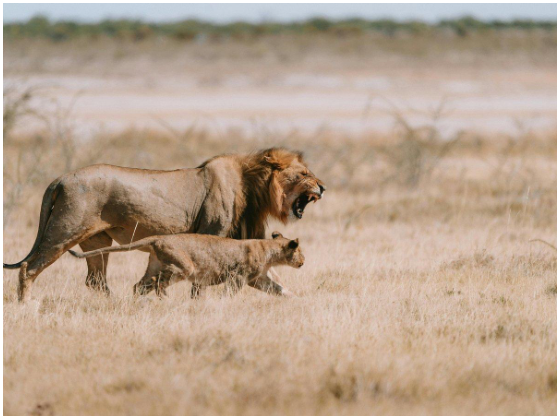
A Tanzania Safari is not just about wildlife sighting. Long before a lion crosses the road or elephants appear at a waterhole, an invisible system is already at work, one that connects conservation, tourism, and the daily lives of the local community.
Each game drive, park entry, and overnight stay contributes to a large balance. When implemented well, safari tourism protects ecosystems, funds wildlife conservation, and supports the people who live near these landscapes.
This is the quiet story behind Tanzania safari conservation, one built on responsibility, partnership, and long-term thinking.
Conservation Through Safari Tourism
At its core, safari tourism in Tanzania directly contributes to wildlife protection. Park fees, concession payments, and tourism levies collected by authorities like TANAPA are reinvested in conservation efforts. These funds support the anti-poaching unit, habitat management, ranger training, and scientific research across Tanzania National Parks. This means that:
- Wildlife protection is financially sustained by visitors
- Protected areas remain monitored and managed
- Poaching pressure is reduced through active patrol
Without tourism, many conservation programs would struggle to survive. Safari travel turns wildlife into a renewable resource valuable precisely because it remains alive and protected. This model makes conservation tourism in Tanzania not only ethical but also essential.
Community Involvement in Safaris
Conservation does not work without people. Across Tanzania, safari operations employ thousands of local residents as guides, drivers, trackers, camp staff, artisans, and administrators. These roles provide stable income in regions where alternative employment can be limited.
Beyond jobs, many Tanzania Tour Operators invest directly in:
- Local schools and scholarships
- Medical clinics and clean water access
- Skills training and mentorship programs
When communities benefit from wildlife tourism, conservation becomes personal. Protecting animals is no longer an external rule; it is tied directly to livelihood and future opportunity. This connection is central to community tourism in Tanzania.
Responsible Travel Practices
Responsible safari is designed to minimize impact while maximizing benefit. That balance shows up in practical ways:
- Limited vehicle numbers at the sighting
- Strict off-road driving regulation
- Low-density camps with reduced footprint
- Controlled waste and water management system
Responsible Tanzania safari operators also educate guests quietly and respectfully about wildlife behavior, safety, and conservation ethics. Visitors learn why distance matters, why patience matters, and why not every moment needs to be chased.
This approach protects animals from stress while preserving the authenticity of the safari experience. A responsible safari in Tanzania isn’t about restriction, it is about respect.
Cultural Tourism Connections
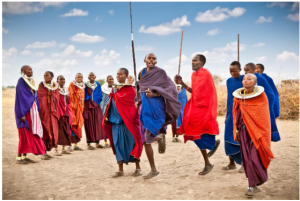
Wildlife tourism does not exist in isolation. Many Tanzania safaris now incorporate cultural elements that deepen understanding rather than turning tradition into performance. Visiting a Maasai village, the Hadzabe community, or the local market, when done respectfully, creates a meaningful cultural exchange.
These experiences:
- Support cultural preservation
- Provide direct income to communities
- Help travelers understand human and wildlife coexistence
Cultural tourism also reminds visitors that conservation landscapes are living spaces, shaped by the generation of knowledge and tradition.
When wildlife travel and culture intersect thoughtfully, safari tourism becomes more human and more honest. This is where Tanzania’s cultural tourism strengthens the conservation story.
Long-Term Sustainability Efforts
Sustainability in safari tourism is about thinking decades ahead. Tanzania’s conservation strategy increasingly focuses on:
- Protecting the wildlife corridor
- Reducing pressure on over-visited parks
- Encouraging seasonal and regional diversification
- Supporting a community-led conservation area
By spreading tourism benefits beyond a few iconic locations, the ecosystem gains breathing room. Lesser-known parks receive funding. Wildlife movement remains uninterrupted. Communities outside major hubs gain opportunity.
This long-term thinking ensures that future generations, local and global, inherit landscapes that are still wild, functional, and protected. This is what defines a sustainable Tanzania safari.
Why Balance Matters
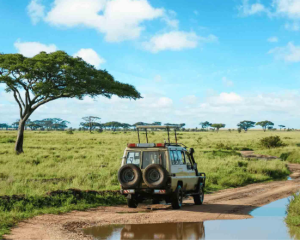
When conservation, tourism, and livelihood fall out of balance, everyone loses. Excessive tourism stresses wildlife, and insufficient tourism weakens protection. Ignoring communities creates conflict rather than cooperation.
Tanzania’s safari model works because it recognizes this tension and actively manages it. The best safari experiences are built on restraint, partnership, and mutual benefit.
For travelers, this balance means your presence matters. Where you go, who you travel with, and how you behave all contribute to the system. Safari travel becomes participation rather than consumption.
The Traveler’s Role in Tanzania’s Conservation Story
Visitors are not passive observers in Tanzania’s conservation story. Choosing an ethical operator, adhering to park rules, and prioritizing quality over quantity help reinforce responsible tourism. Even small decisions like staying longer in one area or avoiding rushed itineraries support sustainability.
Travel insurance, safety awareness, and cultural sensitivity further protect both visitors and hosts, reinforcing trust within the tourism system.
This is where our Tanzania Travel Guides and informed planning play an essential role. Support Tanzania safaris that protect wildlife and uplift local communities.